Data science has changed the retail world, helping businesses make better plans. They can now engage customers better and run smoother operations. Online stores use data science to understand what customers do, buy, and like.
The retail industry’s data-driven shift goes far beyond streamlining operations — it’s reshaping how businesses understand and anticipate customer behavior at every touchpoint. From dynamic pricing engines to inventory forecasting and personalized marketing, the range of applications is broad and growing. These real-world data science applications in retail illustrate just how deeply analytical thinking has become embedded in the day-to-day decisions of modern retailers. Amazon is one of the most cited examples of this transformation done right.
These aren’t isolated wins — data science is reshaping entire industries in ways that are both measurable and repeatable. From healthcare to finance to logistics, the patterns look remarkably similar: collect the right data, build the right models, and unlock decisions that humans alone couldn’t make fast enough. real-world data science applications in action span virtually every sector, and retail is one of the clearest proving grounds. Amazon is a prime example of just how far a well-executed data strategy can go.
Amazon’s recommendation system is a great example. It suggests products based on what you like. This makes shopping more fun and helps Amazon sell more. It shows how data science can give businesses an edge.
Personalization in E-commerce Through Data Science
In the fast-changing world of e-commerce, personalization is key to a better shopping experience. Data science helps businesses use insights from user behavior. This leads to personalized recommendations that build loyalty and satisfaction.
How Recommendation Engines Enhance Shopping Experience
Recommendation engines are vital in making shopping personal. They look at what customers like and do. For example, Amazon gets about 35% of its sales from these smart suggestions.
These systems check what you’ve bought and looked at before. They then suggest products that might interest you. This makes shopping better, keeps customers happy, and brings them back more often.
Customer Segmentation Techniques
Segmenting customers helps businesses target their marketing better. They use tools to look at things like who they are, what they buy, and what they like. This helps make ads that really speak to certain groups of people.
By paying attention to what each customer wants, businesses can keep them coming back. This makes them stand out in the market.
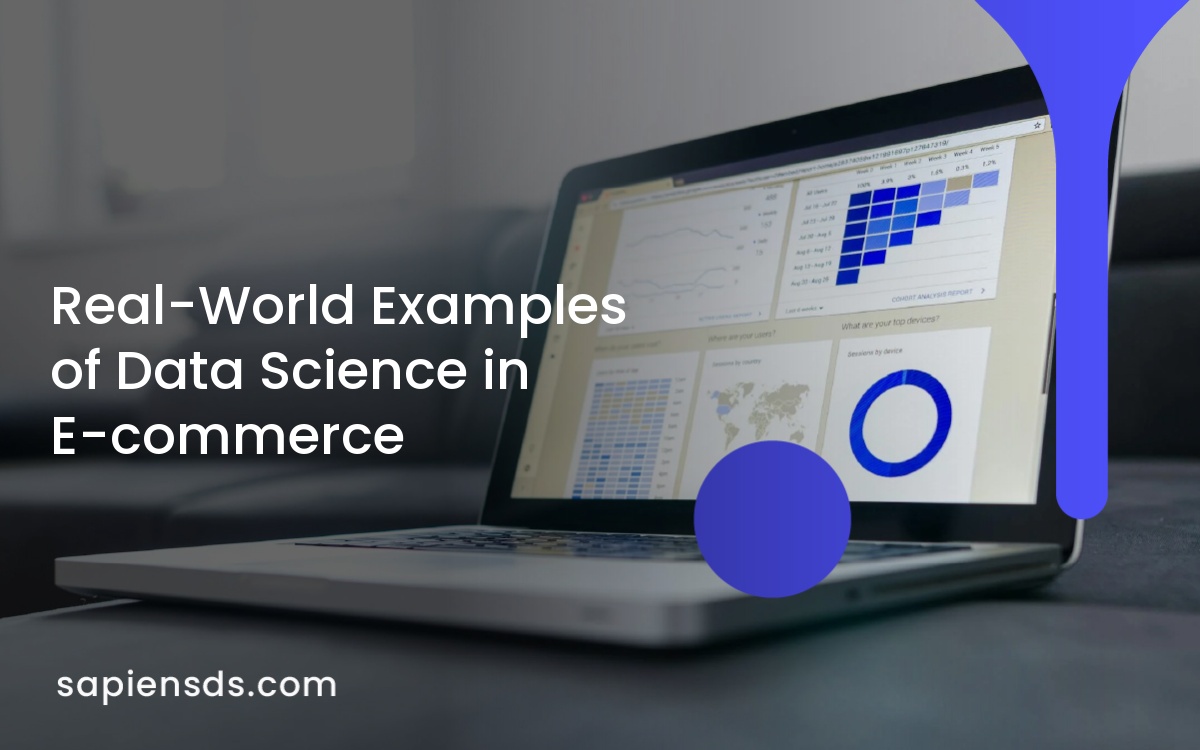
Real-World Examples of Data Science in E-commerce
In the world of e-commerce, data science is key. It helps make operations better and improves how customers feel. Companies use advanced tech like machine learning for smart pricing and better inventory management.
Dynamic Pricing Strategies
Dynamic pricing is a big deal in e-commerce. Stores look at data like demand changes, what others charge, and how customers act. Walmart and Expedia show how this strategy works.
They adjust prices when it’s busy to stay competitive and make more money. This way, they match prices with what customers are willing to pay. It really boosts their earnings.
Both dynamic pricing and inventory planning share a common foundation: a reliable model of how consumers behave. Without knowing how demand shifts in response to price, season, or competitor activity, neither strategy can function effectively. This is where data science earns its place at the table. Techniques like regression analysis, time-series forecasting, and machine learning algorithms allow businesses to quantify demand with real precision. The discipline of modeling consumer demand with data science gives retailers the analytical backbone to make smarter pricing calls today and more accurate stock decisions tomorrow.
Inventory Management Optimization
Good inventory management is essential for e-commerce success. It uses algorithms to look at sales, seasons, and customer habits. This helps figure out the right amount of stock to keep.
Amazon uses predictive analytics to guess how much stock it needs. This means it always has what customers want, when they want it. It saves money and makes customers happier.
By looking at slow-selling items, businesses can improve their inventory plans. This makes their operations more efficient.
The Impact of Customer Insights on E-commerce Success
Understanding what customers want is key in e-commerce. By analyzing feedback, businesses can improve their products. This makes customers happier and more loyal.
Utilizing Customer Feedback for Product Development
Feedback analysis is a key tool in making products better. Companies that listen to customers can stay ahead. For example, PayU saw a 5.8% boost in sales by testing their products with data.
Also, 75% of U.S. shoppers want products that fit their needs. Amazon uses data to suggest products that match what customers like. This makes shopping more personal and boosts sales.
Nykaa uses machine learning to set prices based on what customers want. This helps them stay competitive in the online market.
Using data science, businesses can keep improving their products. By listening to customers, companies can make better products. This leads to more loyal customers and bigger success.
Fraud Detection and Prevention Mechanisms in Online Retail
In the fast-changing world of online shopping, stopping fraud is key. Retailers use data science to spot fraud patterns. In 2022, companies lost 2.9% of their global revenue to fraud, showing the need for better fraud detection.
Big names like PayPal and eBay use these tools to watch transactions closely. They catch signs of fraud quickly. With e-commerce fraud expected to cost merchants $48 billion in 2023, using real-time analytics is a must. This helps protect money and build trust with customers.
The market for stopping eCommerce fraud is growing fast, expected to hit $102.28 billion by 2030. As fraud gets smarter, companies must focus on solutions that alert them in real-time. This way, online stores can keep their business safe and give customers a secure shopping experience.

- Jack Henry PayCenter Alternatives for Back-Office Teams: 9 Platforms Ranked on Operational Fit - September 10, 2026
- Transforming Document Workflows: Selecting the Right Enterprise Content Management Solution for Your Organization - August 12, 2026
- The Data Science Behind Automated Collections: Prediction and Prioritization - August 5, 2026